
Understanding the Link Gacor in Aviation Education
The aviation industry is not just a field for adventure seekers; it is a realm of opportunities, precision, and excellence. ALIAC recognizes the importance of comprehensive education in aviation, equipping aspiring pilots and aviation professionals with essential skills and knowledge. One such opportunity lies in understanding the concept of link gacor, which plays a crucial role in cultivating the ambition of future aviators. This article delves into the significance of aviation education, the academic programs offered at ALIAC, and how they align with the industry’s demands.
What is Link Gacor and Its Importance?
In the context of aviation education, the term “link gacor” refers to the integral connection between education and real-world applications in the aviation industry. It emphasizes the need for students to not only grasp theoretical concepts but also to apply them in practical scenarios, thus bridging the gap between academia and the aviation workforce. This connection ensures that students are well-prepared to meet industry standards and can seamlessly transition into their professional roles upon graduation.
Building Your Future in Aviation
At ALIAC, the foundation for building your future in aviation begins with a solid academic structure. Students can explore a variety of courses tailored to different aspirations within the aviation sector, ranging from piloting and air traffic control to aviation management and engineering. ALIAC’s commitment to student success is demonstrated by its robust resources, including access to experienced faculty members who guide students through their academic journeys.
Comprehensive Academic Programs Offered
Overview of ALIAC's Academic Pathways
With more than 300 courses across six distinct academic programs, ALIAC presents a diverse array of pathways for students interested in pursuing a career in aviation. Each program is designed to align with rigorous industry standards while incorporating the latest advancements and technologies in the aviation field. Students are encouraged to explore their passions and interests, creating a customized educational experience that sets them up for success in their chosen career paths.
Benefits of Smaller Class Sizes
ALIAC prides itself on maintaining an intimate learning environment, with 80 percent of undergraduate classes having 40 or fewer students. This approach fosters personal engagement with faculty and allows for tailored instruction that meets the unique needs of each student. Smaller class sizes enhance collaboration and enable more interactive learning experiences, making it easier for students to grasp complex aviation concepts.
Engaging Faculty and Industry Connections
The faculty at ALIAC comprises licensed and rated pilots, master’s and doctorate degree holders, and seasoned industry professionals. Their expertise in the aviation sector is invaluable, providing students with insights that extend beyond textbooks. ALIAC’s strong connections to major players in the aviation industry further enhance students’ educational experiences, creating networking opportunities that can lead to internships and job placements.
Enhancing Student Experience and Success
Innovative Learning Techniques and Technology
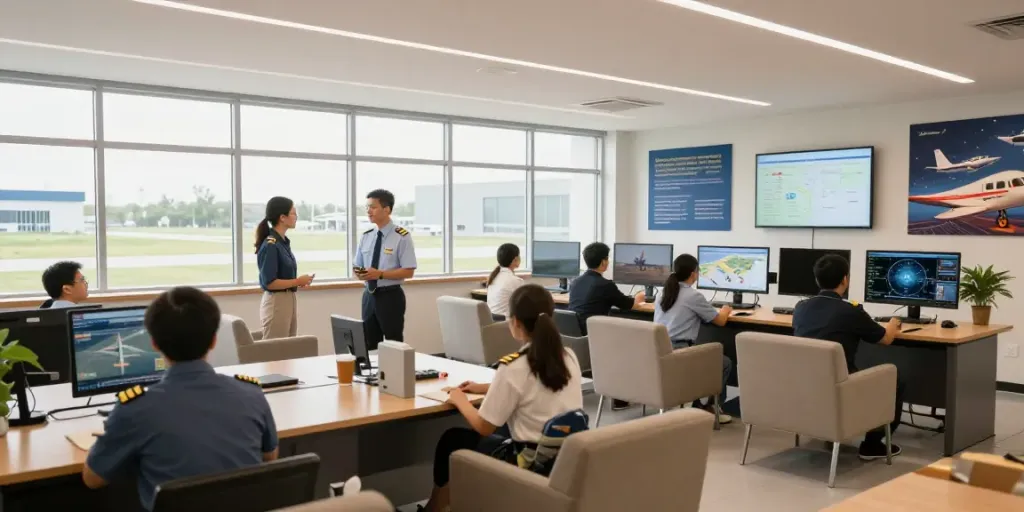
In today’s rapidly evolving aviation landscape, incorporating innovative learning techniques and advanced technologies is crucial. ALIAC utilizes state-of-the-art simulators, virtual reality, and interactive learning modules to prepare students for real-life flying situations. By immersing students in technologically sophisticated environments, ALIAC ensures that graduates possess the practical skills needed to excel in their future careers.
Research and Internship Opportunities
At ALIAC, students have numerous opportunities to engage in research, fellowships, and internships across the aviation field. These experiences are vital for developing practical skills and gaining a deeper understanding of the aviation industry. By working alongside experienced professionals and participating in research initiatives, students can apply their classroom knowledge to real-world challenges, further enhancing their learning and career prospects.
Support Systems for Student Success
ALIAC recognizes that the journey through aviation education can be challenging. Therefore, the institution implements a variety of support systems designed to aid student success. Academic advising, mentoring programs, and counseling services are available to guide students in their educational pursuits, ensuring that they remain on track to achieve their goals and aspirations within the aviation industry.
Preparing for a Career in Aviation
Connections with Major Aviation Companies
One of the key components of ALIAC's mission is to prepare students for meaningful careers in aviation. The institution has established strong connections with major aviation companies, providing students with access to internships and job placement opportunities. This network significantly enhances students' employability and helps them develop professional relationships that can last throughout their careers.
The Value of Networking in Aviation
Networking is a critical aspect of career development in the aviation sector. ALIAC actively encourages students to participate in industry events, workshops, and seminars where they can connect with aviation professionals. Building relationships with industry experts not only enhances students’ knowledge and skills but also opens doors for future employment and collaborations in their aviation careers.
Career Placement Services at ALIAC
ALIAC offers extensive career placement services that assist students in navigating their job search journey. From resume writing workshops to mock interviews, the placement team provides personalized support to ensure students are well-prepared to enter the competitive aviation job market. These services play a pivotal role in helping students transition smoothly from academic life to professional employment.
Future Trends in Aviation and Education
Emerging Technologies Impacting Aviation
The aviation industry is undergoing rapid transformation due to emerging technologies such as artificial intelligence, automation, and advanced analytics. An understanding of these innovations is vital for students pursuing careers in aviation. ALIAC continuously updates its curriculum to include coursework on these technologies, ensuring that graduates are equipped to meet the challenges of a modern aviation landscape.
Shifts in Student Demographics
As the global demand for skilled aviation professionals continues to rise, there has been a noticeable shift in student demographics within the field. ALIAC embraces diversity, aiming to cultivate an inclusive learning environment that attracts a wide range of students. By fostering diversity, ALIAC enriches discussions and perspectives in the classroom, better preparing students for the globally interconnected aviation industry.
Global Opportunities for Graduates
Graduates of ALIAC can expect to find numerous global opportunities in a variety of aviation sectors. The skills and knowledge gained through their education will enable them to pursue careers not only locally but also internationally. The aviation industry offers endless possibilities, including roles in airlines, airports, aerospace manufacturing, and regulatory agencies worldwide. ALIAC’s commitment to a global approach in aviation education ensures that students are well-prepared for these exciting opportunities.